
Generously supported by:


Alex Orleans is the Head of Threat Intelligence at Sublime Security. With more than a decade of experience in cyber threat intelligence, including senior roles at CrowdStrike—where he managed the company's Targeted Intrusion mission—and FireEye, his work has included tracking state-nexus cyber espionage and supply chain compromises targeting financial sector entities. He is a frequent presenter at cybersecurity conferences, lectures as an adjunct at Johns Hopkins SAIS, and was recently published in CIA's Studies in Intelligence.
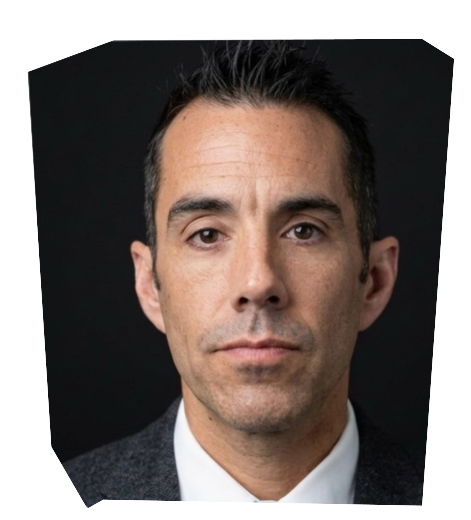
With a tenure spanning 15 years in law enforcement and digital forensics, Jared Lobato's journey led in his current role as a Network Intrusion Forensic Analyst with the United States Secret Service. This position allows him to dig into the intricacies of cyber-crime, encompassing activities such as digital forensic analysis, mobile data recovery, and malware analysis/identification. Jared supports various local, state, and federal agencies, bringing to the table his expertise in both detailed lab evaluations and on-the-ground analysis of computer systems and networks. Internationally, Jared has volunteered across borders with the State Department, teaching on subjects like cyber exploitation in El Salvador, network investigations in Mongolia and digital evidence for judges in Hungary. A consistent thread in his work has been his focus on financial crimes, to include network intrusions and skimming.