
Generously supported by:

Speakers
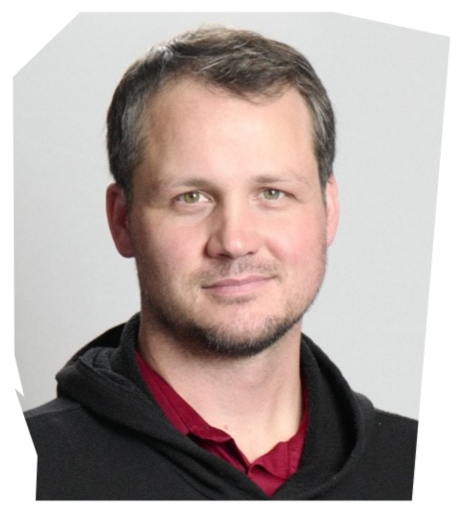
Michael Burch
Director of Application Security,
Security Journey
With over four years as Director of Application Security at Security Journey, I lead a team of engineers and content creators to develop premier SaaS-based security training solutions. Our work focuses on equipping developers with the skills to identify and mitigate vulnerabilities through engaging, hands-on learning experiences. Core contributions include creating vulnerable code examples, managing content production teams, and delivering actionable security training that promotes secure development practices globally. My mission is to foster a culture of application security through education and innovation. Previous experience includes mentoring cybersecurity teams at the North Carolina National Guard and creating comprehensive secure coding training as an Application Security Engineer. By combining technical expertise, leadership, and a commitment to empowering teams, I aim to advance security awareness and operational excellence within organizations.
Moderator
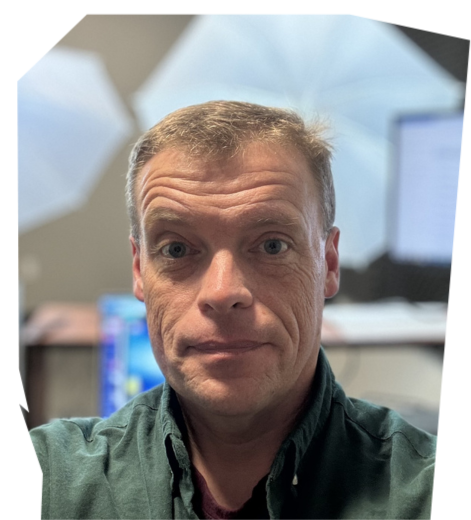
Tom Bechtold
Digital Events Director,
SecureWorld
Tom has been part of the SecureWorld team for over 14 years. He has launched several of the regional conferences we hold today. Tom is currently responsible for SecureWorld Digital, which provides educational content to the SecureWorld audience. He produces, executes, and moderates the majority of the Remote Sessions webcasts while also working closely with the SecureWorld event directors to build relevant agendas at the regional conferences.